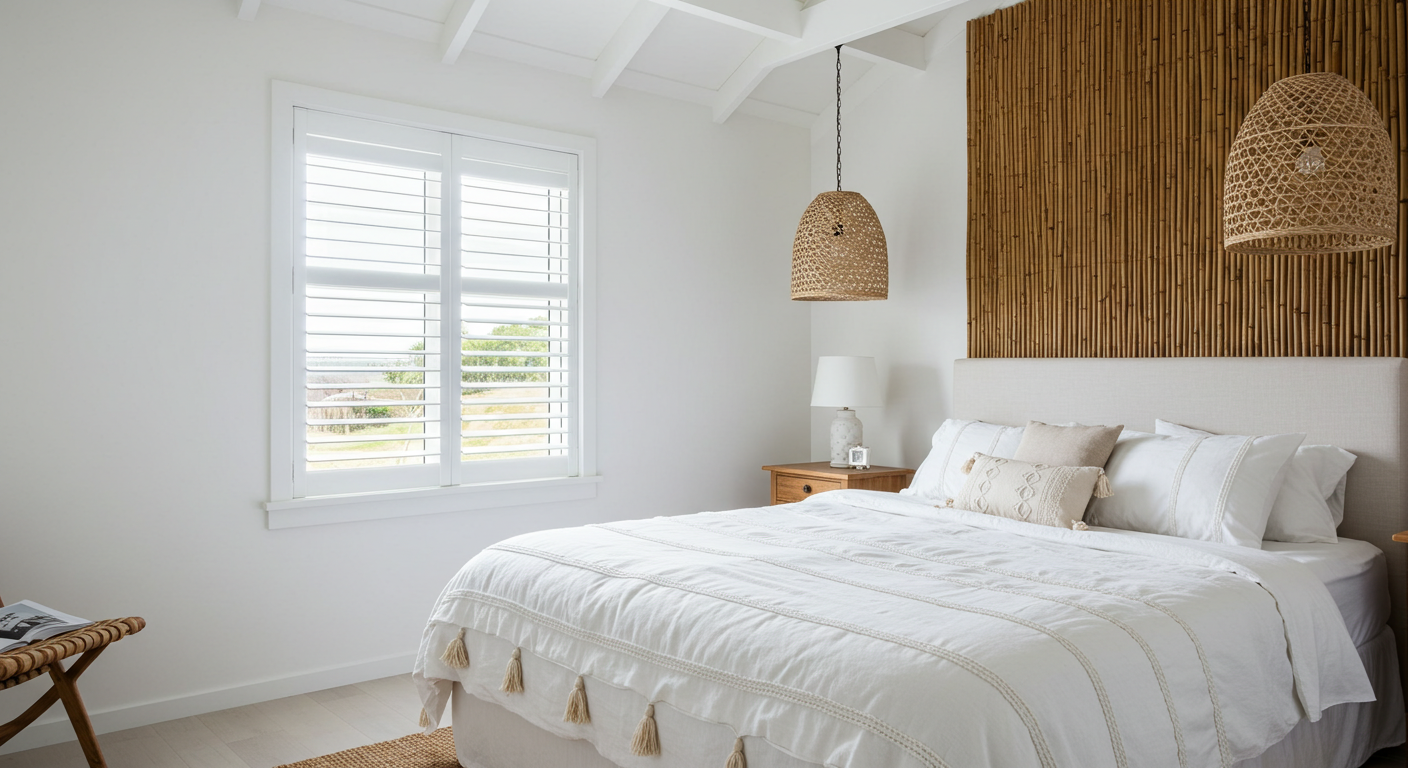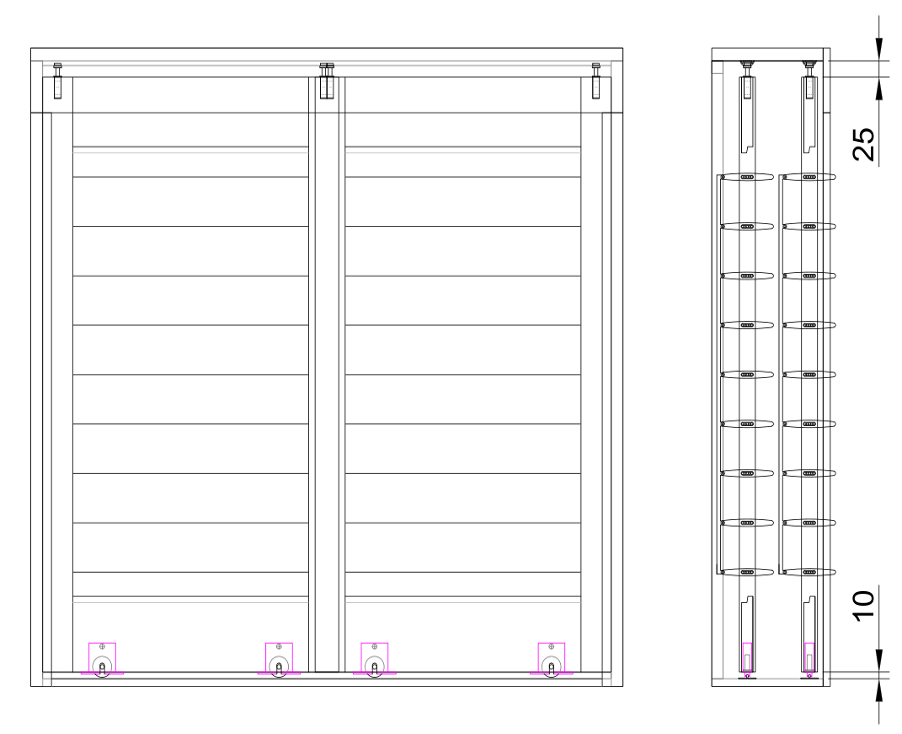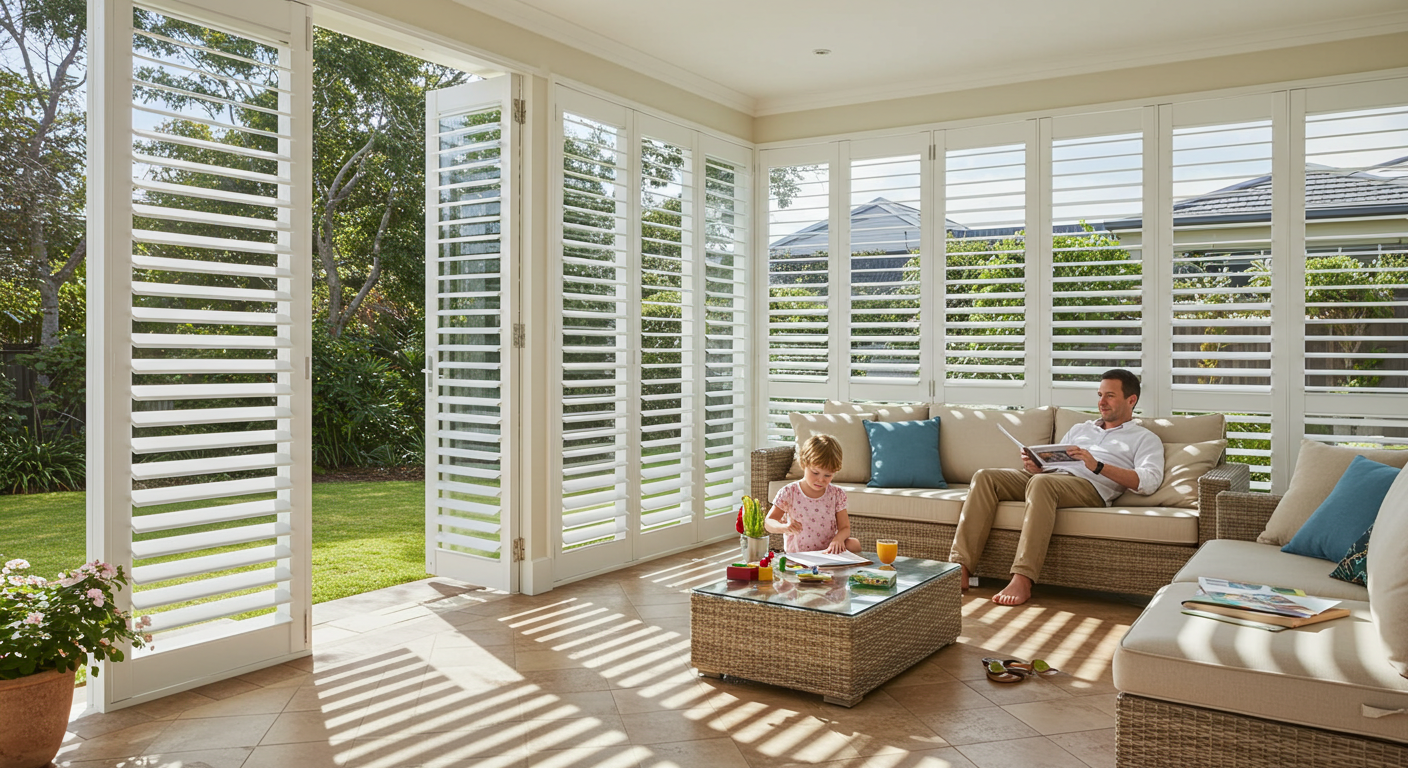
Shutters and blinds are window coverings that provide both aesthetic and functional benefits to any home or office space. They not only offer privacy and light control, but they also provide thermal benefits that can have a significant impact on energy costs for heating and cooling. In this article, we will discuss the thermal benefits of shutters and blinds and their impact on energy costs.
One of the most significant thermal benefits of shutters and blinds is their ability to block out the sun’s heat during the summer months. When the sun shines through windows, it can quickly heat up a room, causing discomfort and increasing energy costs for air conditioning. Shutters and blinds block out the sun’s heat, helping to keep a room cool and reducing the need for air conditioning.
In addition to blocking out the sun’s heat, shutters and blinds also help to insulate a room during the winter months. They act as a barrier to prevent cold air from entering a room, keeping the space warmer and reducing the need for heating. This insulation effect can be particularly useful in older homes with drafty windows or in rooms with large windows that lose a significant amount of heat.
Impact on Energy Costs
The thermal benefits provided by shutters and blinds can have a significant impact on energy costs for heating and cooling. By blocking out the sun’s heat during the summer and insulating a room during the winter, shutters and blinds help to reduce the load on HVAC systems. This reduction in demand for heating and cooling can result in lower energy costs, saving homeowners and businesses money on their monthly utility bills.
The energy savings provided by shutters and blinds can be particularly significant in regions with extreme temperatures. In areas with hot summers and cold winters, the use of shutters and blinds can help to reduce energy costs for both heating and cooling by as much as 25%. This reduction in energy costs not only saves money, but it also helps to reduce carbon emissions and promote sustainability.
In conclusion, shutters and blinds offer both aesthetic and functional benefits to any home or office space. Their thermal benefits, including blocking out the sun’s heat during the summer and insulating a room during the winter, can have a significant impact on energy costs for heating and cooling. By reducing the load on HVAC systems, shutters and blinds can help to save money on monthly utility bills, promote sustainability, and improve overall comfort in a space. If you’re looking to improve your home or office’s energy efficiency, consider installing shutters or blinds as a cost-effective solution.
If you have questions, contact us here, or email the author of this article at sales@luxsol.com.au